Mastering the Art of Welding in Cornwall
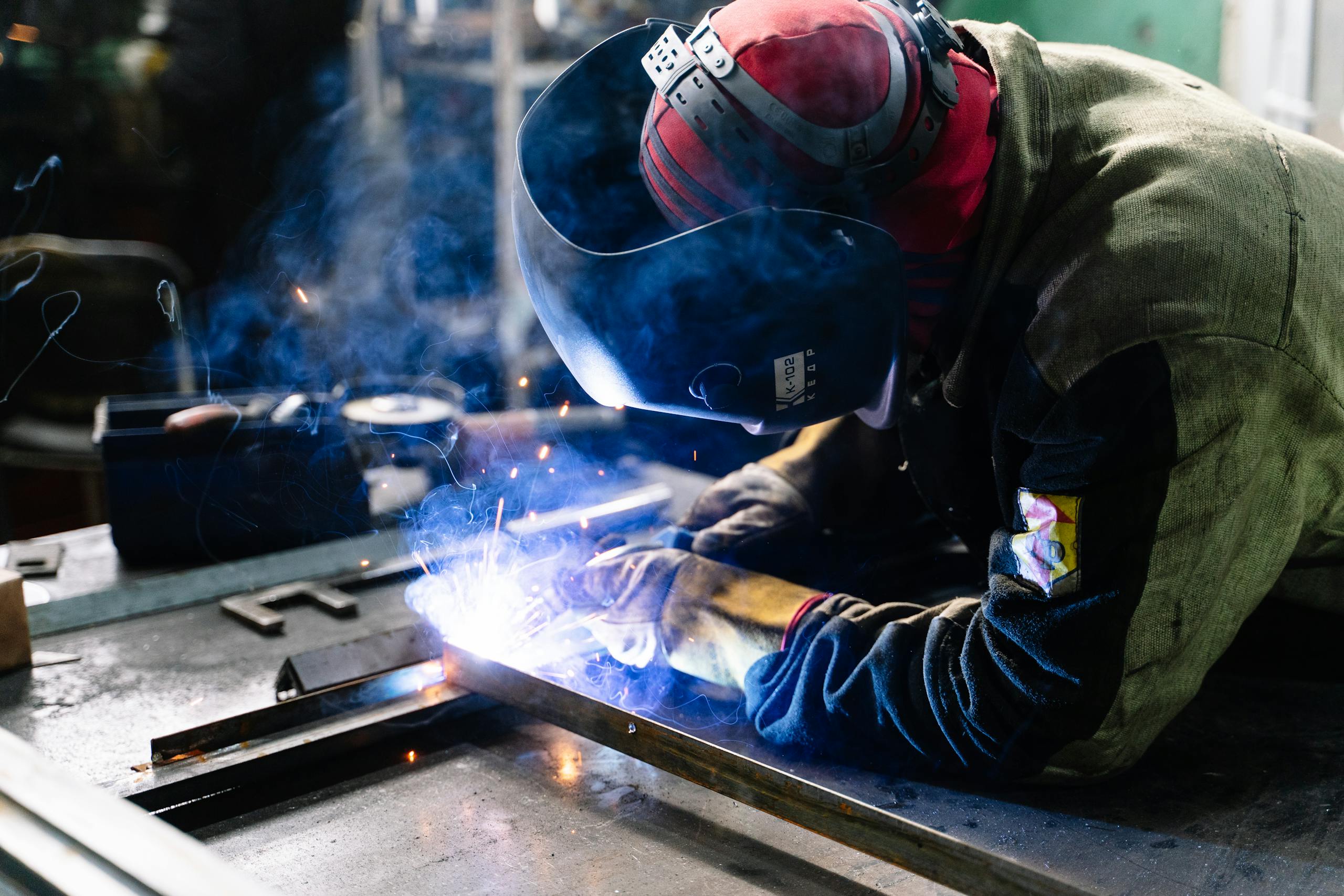
Welding is a fundamental process that joins materials, typically metals or thermoplastics, through the application of heat, pressure, or both. At its core, welding involves melting the base materials and adding a filler material to form a strong joint upon cooling. This technique is essential in various industries, from construction and automotive to art and manufacturing.
Understanding the basics of welding is crucial for both homeowners looking to undertake DIY projects and tradespeople aiming to refine their skills. There are several types of welding processes, each with its unique characteristics and applications. The most common methods include MIG (Metal Inert Gas), TIG (Tungsten Inert Gas), and Stick welding.
MIG welding is favoured for its speed and ease of use, making it ideal for beginners and home projects. TIG welding, on the other hand, offers greater precision and control, making it suitable for intricate work. Stick welding is versatile and can be used in various environments, including outdoor settings.
Familiarising yourself with these methods will help you choose the right approach for your specific needs.
Key Takeaways
- Welding involves joining metal pieces together using heat and pressure
- Choose the right equipment and materials based on the type of welding project
- Safety precautions are crucial to prevent accidents and injuries during welding
- Master different welding techniques such as MIG, TIG, and stick welding
- Metal fabrication involves shaping and manipulating metal to create various structures and designs
Choosing the Right Equipment and Materials
Selecting the appropriate equipment and materials is vital for successful welding projects. The first step is to invest in a quality welding machine that suits your skill level and project requirements. For beginners, a MIG welder is often recommended due to its user-friendly nature.
However, if you plan to work on more delicate projects or require higher precision, a TIG welder may be worth considering. Additionally, ensure you have the necessary accessories, such as welding helmets, gloves, and protective clothing, to keep yourself safe while working. When it comes to materials, understanding the types of metals you will be working with is essential.
Common materials include mild steel, stainless steel, and aluminium, each requiring different welding techniques and filler materials. For instance, aluminium welding often necessitates a specialised filler rod and a different approach compared to steel. Always consult material specifications and guidelines to ensure compatibility with your chosen welding method.
By carefully selecting your equipment and materials, you set the foundation for successful welding projects.
Safety Precautions and Best Practises
Safety should always be a top priority when engaging in welding activities. The process generates intense heat and bright light, which can pose significant risks if proper precautions are not taken. First and foremost, invest in high-quality personal protective equipment (PPE).
This includes a welding helmet with appropriate shading to protect your eyes from harmful UV rays, gloves that can withstand heat, and flame-resistant clothing to shield your skin from sparks and molten metal. In addition to PPE, it’s crucial to maintain a clean and organised workspace. Remove any flammable materials from the vicinity and ensure proper ventilation to avoid inhaling harmful fumes.
Familiarise yourself with emergency procedures in case of accidents or injuries. Regularly inspect your equipment for wear and tear, as faulty tools can lead to dangerous situations. By adhering to these safety precautions and best practises, you can create a secure environment for your welding endeavours.
Mastering Different Welding Techniques
|
Welding Technique |
Advantages |
Disadvantages |
|---|---|---|
|
Gas Metal Arc Welding (GMAW) |
High welding speed, minimal slag, and versatile for different materials |
Requires shielding gas and may produce spatter |
|
Shielded Metal Arc Welding (SMAW) |
Portable, suitable for outdoor use, and works well on rusty or dirty materials |
Slower welding speed and requires frequent electrode changes |
|
Gas Tungsten Arc Welding (GTAW) |
Precise control, high-quality welds, and suitable for thin materials |
Slower welding speed and requires a skilled operator |
|
Flux-Cored Arc Welding (FCAW) |
High deposition rates, works well on dirty materials, and suitable for outdoor use |
Produces slag and fumes, and may require post-weld cleaning |
Once you have a solid understanding of the basics and have equipped yourself with the right tools, it’s time to delve into mastering various welding techniques. Each method has its nuances that can significantly impact the quality of your work. For instance, mastering MIG welding involves learning how to adjust voltage and wire feed speed for optimal results.
Practicing on scrap metal can help you develop a steady hand and improve your technique. TIG welding requires a different skill set altogether. It demands precision in both hand movements and foot control for the pedal that regulates the heat.
This technique is often used for thin materials or intricate designs due to its ability to produce clean welds with minimal spatter. Stick welding, while less common for beginners, offers versatility in outdoor conditions where wind may affect other methods. By dedicating time to practise each technique, you can expand your skill set and tackle a wider range of projects.
Exploring the Art of Metal Fabrication
Welding is not just a technical skill; it is also an art form that allows for creativity in metal fabrication. Whether you’re crafting furniture, sculptures, or custom automotive parts, understanding the principles of design can elevate your projects from functional to artistic. Start by exploring different styles and techniques used in metal fabrication.
Researching various artists and their works can provide inspiration for your creations. Incorporating elements such as texture, colour, and form can transform simple welded pieces into stunning works of art. Experimenting with different finishes - such as polishing or patina - can also enhance the aesthetic appeal of your projects.
Consider collaborating with other artists or tradespeople to gain new perspectives and techniques that can enrich your work. By embracing the artistic side of welding, you can create unique pieces that reflect your personal style.
Tips for Welding in Different Environments
Welding conditions can vary significantly based on the environment in which you are working. Whether you’re indoors in a workshop or outdoors on a construction site, adapting your techniques is essential for achieving quality results. When welding outdoors, be mindful of factors such as wind and temperature fluctuations that can affect the stability of your welds.
Using windbreaks or tarps can help shield your work area from gusts that may disrupt the arc. Indoors, ensure that your workspace is well-ventilated to prevent the buildup of harmful fumes. If you’re working in confined spaces, consider using specialised equipment designed for such environments.
Additionally, be aware of potential hazards like overhead obstructions or flammable materials nearby. By tailoring your approach based on environmental conditions, you can maintain safety while producing high-quality welds.
Finding Inspiration and Creativity in Welding
Finding inspiration in welding can come from various sources - nature, architecture, or even everyday objects around you. Keeping an open mind allows you to see potential projects everywhere you look. Consider visiting local art galleries or exhibitions that feature metalwork; observing how other artists approach their craft can spark new ideas for your own projects.
Joining local welding clubs or online forums can also provide a sense of community and inspiration. Engaging with fellow welders allows you to share experiences, techniques, and project ideas that can fuel your creativity. Don’t hesitate to experiment with unconventional designs or mixed media; sometimes the most innovative creations arise from stepping outside traditional boundaries.
Advancing Your Skills and Building a Career in Welding
As you become more proficient in welding techniques and metal fabrication, consider how you might advance your skills further or even build a career in this field. Many community colleges offer welding programmes that provide formal training and certification opportunities. These programmes often cover advanced techniques and safety protocols that are essential for professional work.
Networking within the industry can also open doors to job opportunities or collaborations on larger projects. Attend trade shows or workshops where you can meet experienced professionals who may offer mentorship or guidance as you navigate your career path. Whether you’re looking to start your own business or work for an established company, continuous learning and skill development will be key to your success in the dynamic world of welding.
In conclusion, whether you’re a homeowner embarking on DIY projects or a tradesperson looking to enhance your skills, understanding the fundamentals of welding is essential. By choosing the right equipment, prioritising safety, mastering various techniques, exploring creativity in metal fabrication, adapting to different environments, seeking inspiration, and advancing your skills through education and networking, you can thrive in this rewarding field.
Start today by setting small goals for yourself - practise regularly, experiment with new techniques, and don’t hesitate to reach out for support within the welding community!